

Editions:
En/lifestyle/us-news/personal-finance
What’s driving the surge and how workers are being squeezed
Health insurance premiums in the United States are headed toward a sharp increase in 2026, the biggest leap in about 15 years.
For millions of people who get coverage through their employer, the costs they face are likely to rise steeply, both for premiums and what workers pay out of pocket.
Experts say a mix of inflation, medical inflation, new treatments, and structural issues in the health care system are all contributing.
According to a Mercer survey of over 1,700 organizations, employers are seeing the cost of providing health benefits per employee shoot up nearly 6.5% on average in 2026 after making cost-cutting changes.
Without those measures, that increase could be closer to 9% or more.
Meanwhile, medical inflation, that is, the rate at which prices for medical goods and services increase, continues to outpace general inflation.
Hospitals, drug manufacturers, and health system consolidation are among factors pushing prices upward. At the same time, workers are seeing more of the burden shifted to them: higher deductibles, bigger premiums, and steeper co-payments.
One core cause is healthcare utilization: people postponed or skipped medical care during the COVID-19 pandemic, and now many are catching up, visiting doctors, labs, diagnostic services, elective procedures, etc. That increased demand pushes overall cost upward.
Pharmaceutical and treatment advances also play a major role. New drugs, especially in areas like weight loss (GLP-1 treatments), chronic disease, cancer, and diagnostic technologies tend to carry high price tags.
Even as their effectiveness improves, their cost pressures ripple through insurance systems.
Another factor is the structure of the system itself. Hospitals, insurers, and provider networks have become more consolidated in many regions, giving them more leverage in setting pricing.
Additionally, the cost of labor in the healthcare sector, doctors, nurses, technicians, has risen, sometimes driven by shortages. Inflation in other sectors (supplies, equipment, energy) also increases the cost base.
Insurance benefits design is shifting as well. Around 59% of employers surveyed told Mercer that in 2026 they plan to adjust plan designs in order to offset mounting costs, raising deductibles, increasing cost-sharing, or adjusting out-of-pocket burdens for employees.
These changes allow employers to keep premium growth somewhat lower, but they increase the financial risk for workers when they need care.
For workers, rising health insurance costs mean that even if salaries stay flat or increase modestly, take-home pay may shrink.
Premium deductions from paychecks are expected to go up by 6%-7% on average for many employees, while out-of-pocket costs (deductibles, copayments) are likely to increase.
Employers themselves are under pressure. Many have resisted passing on full cost increases to workers as a strategy to retain talent in a tight labor market.
But with rising costs from insurers, hospitals, and pharmaceuticals, plus general economic inflation, something has to yield.
For many, that mean redesigning benefit offerings, using narrower provider networks, seeking better pharmacy benefit managers, or shifting more costs to employees.
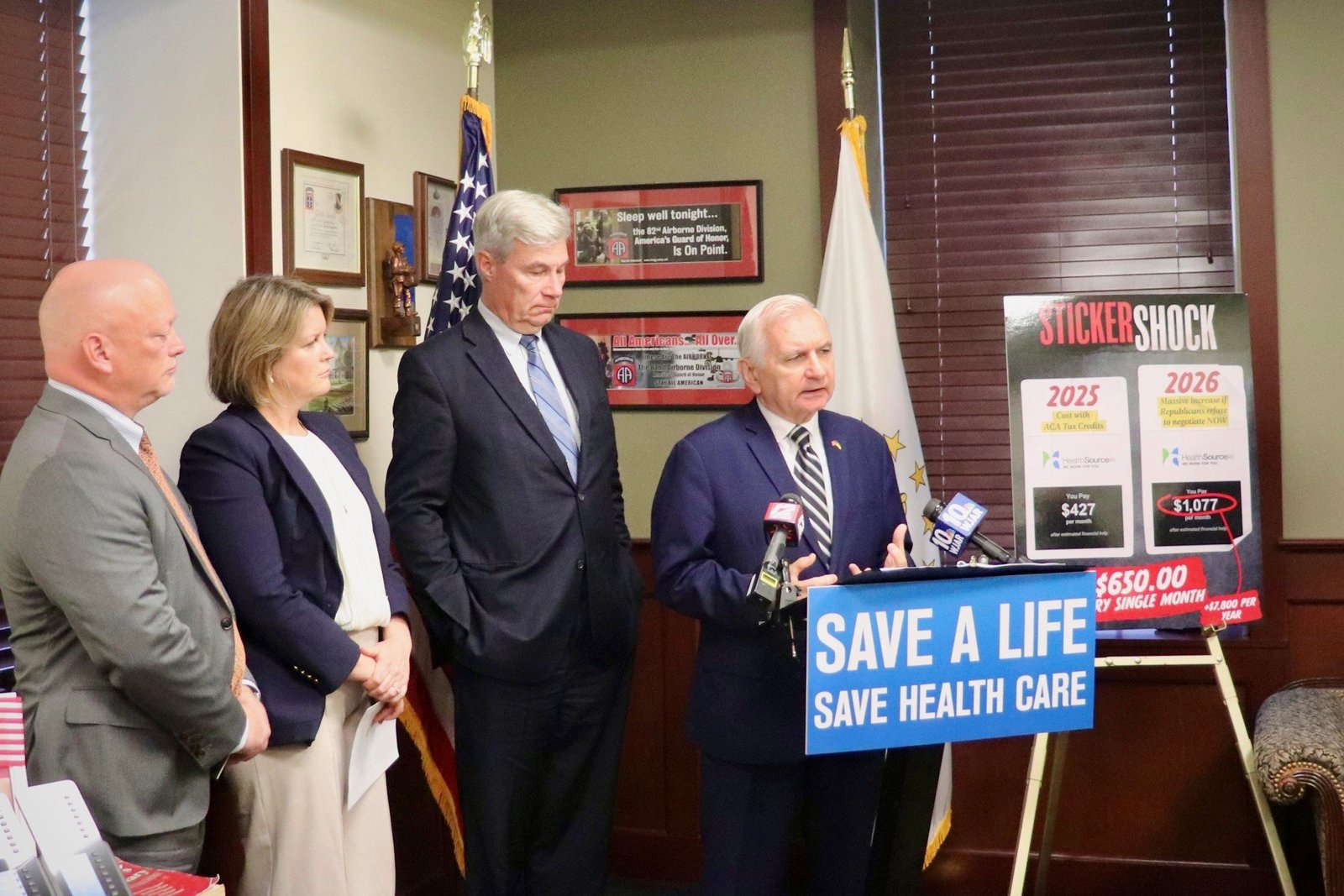
Policy and regulatory actions may also influence future costs. Tariffs on drug imports, changes in federal subsidies (especially in the ACA marketplaces), and perhaps reforms to how hospitals and insurers negotiate payments could have an effect.
Some experts argue that more transparency, competition, and regulation may help contain the worst of the cost-spike.
© Unidad Editorial Información Deportiva, S.L.U. All rights reserved.
Follow us
Why are health insurance costs climbing at the fastest rate in 15 years? – MARCA









Leave a Reply