

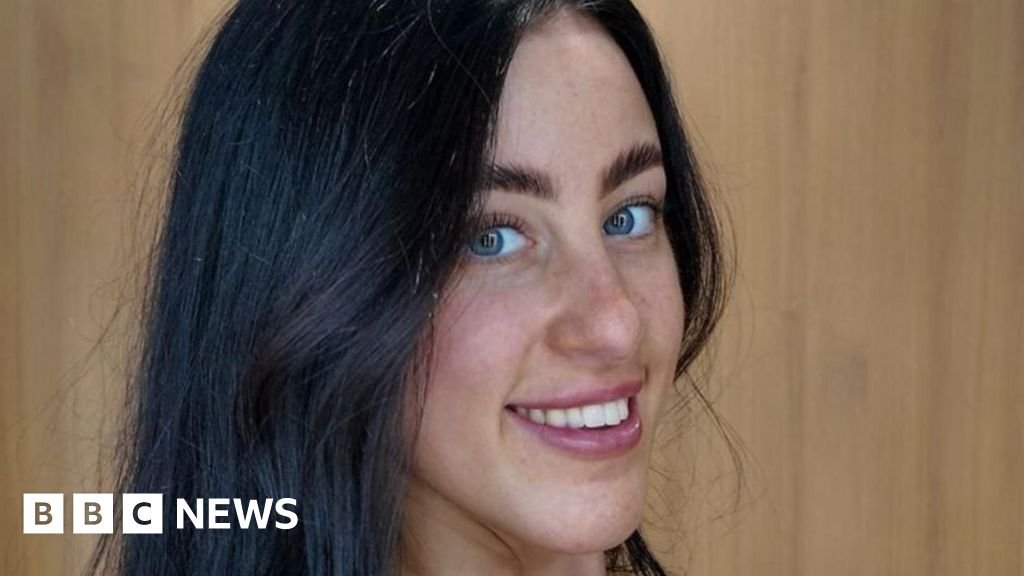
A woman who recovered from anorexia has become a fitness coach to help inspire other women grappling with their body image.
Tia Ainsworth, 23, said years of her life were taken away after developing an eating disorder aged 18, during the Covid-19 lockdown.
Too weak to exercise when her illness was at its worst, Tia said once she felt stronger in her recovery she got herself a personal trainer – which changed her relationship with her body.
While her recovery is not linear, Tia said she now moves her body to be stronger not smaller, and thanks weightlifting for "finally feeling herself" again.
Tia, from Rhos-On-Sea in Conwy, described her recovery as "by far the hardest thing" she had ever done.
With gyms shut during lockdown, Tia said she lost the endorphins she would get from exercise and tried to regain control with food.
"It took over my life, it took over me as a person, I was a shell of a person," she said, adding: "I wasn't the Tia everybody knew, it was a really hard time for me and my family."
Tia's breaking point came when lockdown lifted and the freedom to socialise unlocked a daunting lack of control for her.
It would bring her to tears with frustration, Tia said, and she decided enough was enough.
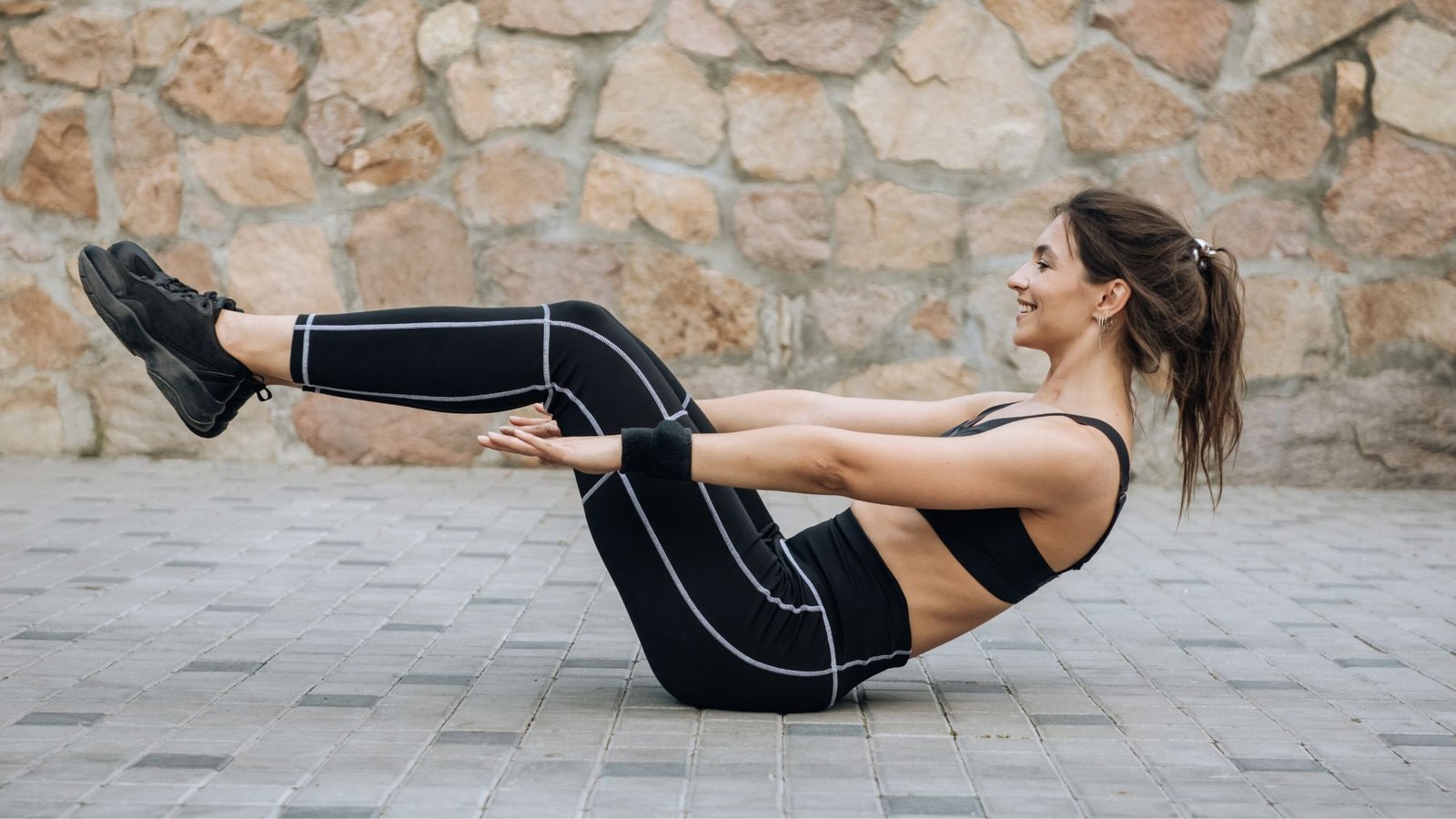
When physically and mentally ready in her recovery, Tia decided to get back into exercise with the support of a personal trainer, who she said shifted her focus from burning calories to building muscle and strength.
After almost five years of recovery, Tia said she finally feels like she has her life back.
"During my eating disorder I exercised for all the wrong reasons… to be the smallest possible version of myself," said Tia.
"But now… I look at exercise to be strong, I look at exercise to be confident and I use it for a feeling."
With the help of her personal trainer, Tia has been a qualified fitness coach for the past four years, and also uses her platform on Instagram to inspire others, by being open about her struggles.
Anorexia nervosa, also known as anorexia, is an eating disorder and serious mental health condition that can cause individuals to limit how much they eat or drink. People with the disorder can often have a distorted body image.
According to the NHS, men and women of any age can get anorexia, but it is common in young women and typically starts in the mid-teens.
Currently working with clients who have anorexia, Tia said she thinks her story has "given them a glimpse of hope that recovery is possible".
Tia classes herself as a "confidence coach" above all, and said exercise was now about making herself feel good rather than look good.
"You could be in the best shape of your life, but if you're miserable, what's the point?
"My main aim is to show women how weightlifting helped me and can help others – both physically and mentally."
Sport and exercise professor Dr Hester Hockin-Boyers, of Durham University, has explored how women at various stages of recovery use weightlifting as a tool for treating their eating disorders.
Her research found that weightlifting in different styles helped shift their perspective on exercise, "from a focus on restriction and becoming smaller to one centred on gaining strength and muscle".
"This shift was crucial in fostering a healthier relationship with their bodies," said Dr Hockin-Boyers.
She added: "Weightlifting also provided a sense of structure that many women associated with feelings of 'calm' and 'safety', helping them compartmentalise exercise within their daily lives."
Having structured workouts also encouraged rest days, she said, which played a key role in preventing exercise from becoming obsessive or compulsive.
She also found many participants established a strong sense of community in weightlifting, which provided social support throughout their recovery.
Eating disorder charity Beat said a positive relationship with exercise was possible for someone who had had an eating disorder once they were much further along in their recovery journey, but admitted it was a "very complex relationship".
Umairah Malik, Beat's clinical and co-production manager, said while not every person would struggle with exercise as part of their illness, "it's important to recognise some of the signs that could suggest an unhealthy relationship with exercise".
Ms Malik said the signs could include:
For those in recovery and looking to exercise, Beat recommends regular check-ins, close contact to medical professionals and thinking carefully about your reasons for wanting to exercise.
Source: NHS
If you or anyone you know have been affected by any of the themes raised in this article, help and support is available on BBC Action Line.
Wes Streeting says too many young people are "being written off", as he defends upcoming welfare reforms.
The health secretary says the government is "getting sick Brits back to health and to work".
One couple's story of violence in the home mirrors seemingly growing problems nationally.
Weight loss, as well as weight gain, raises the risk in people with heart disease, research shows.
Northamptonshire Mind says some local communities are not seeking mental health support when needed.
Copyright 2025 BBC. All rights reserved. The BBC is not responsible for the content of external sites. Read about our approach to external linking.
Eating disorders: 'I battled anorexia. Now I'm a fitness coach' – BBC.com






Leave a Reply